The Making of Nile Reverie
Every collection starts the same way — with research spread across my desk and a blank piece of paper.
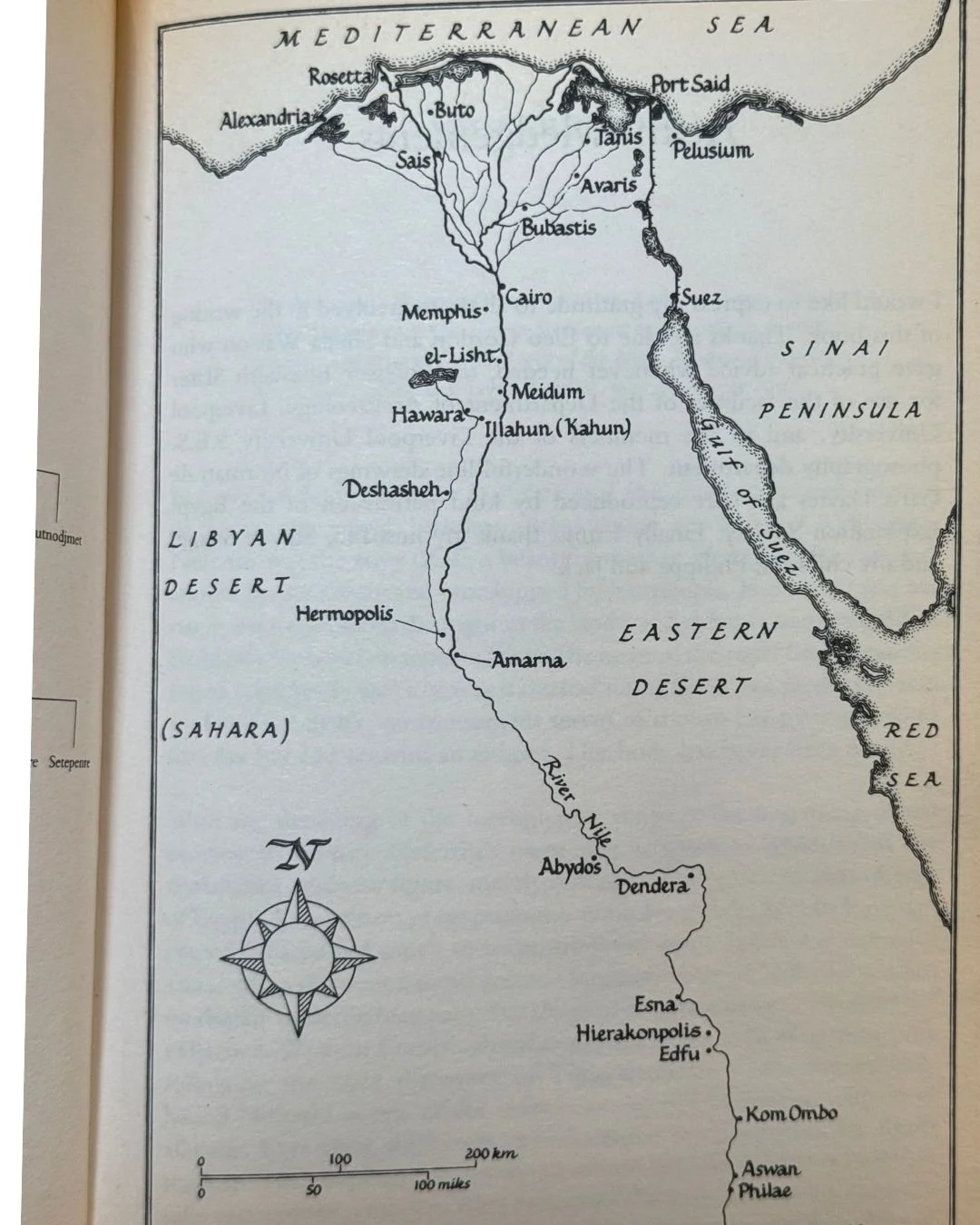
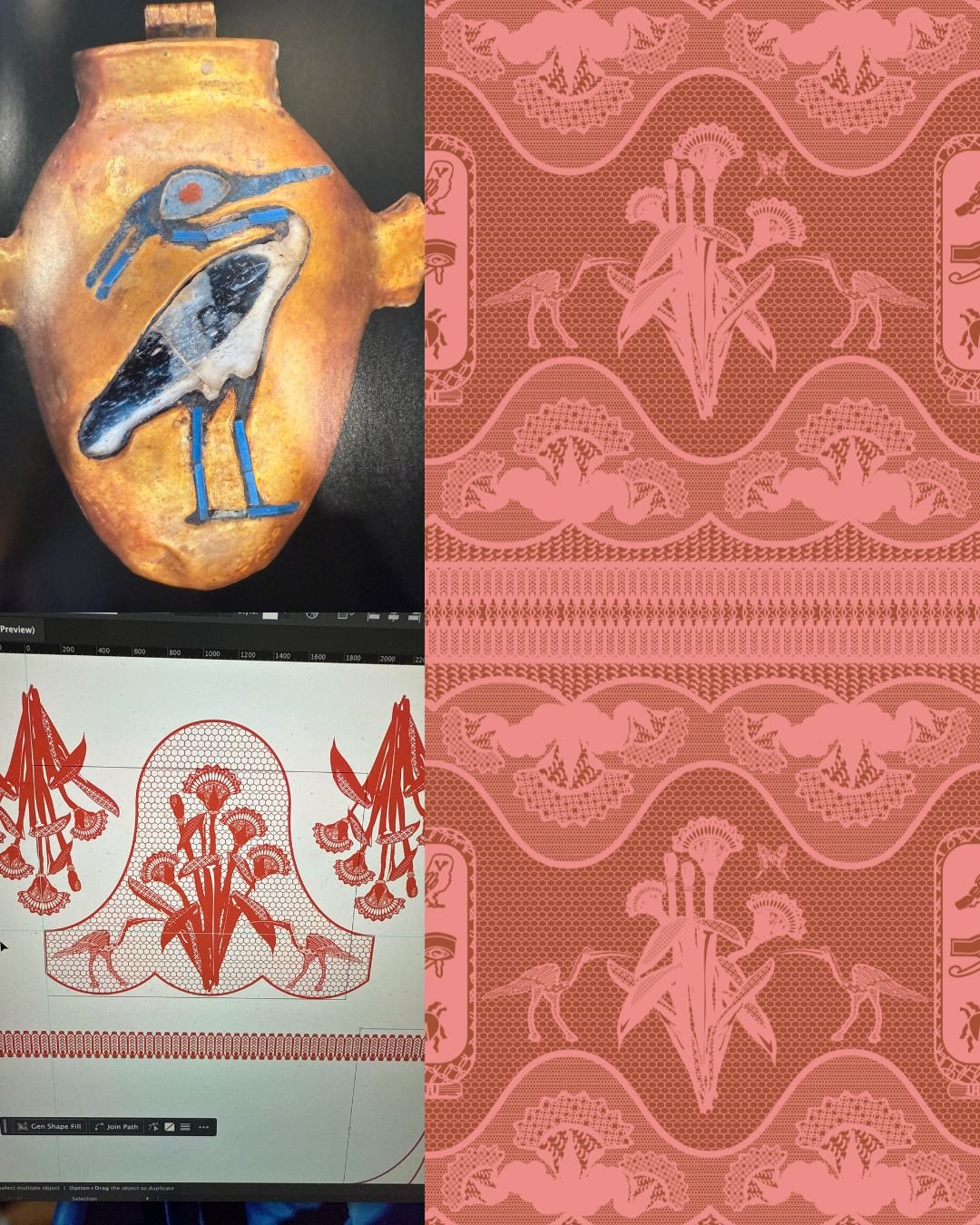
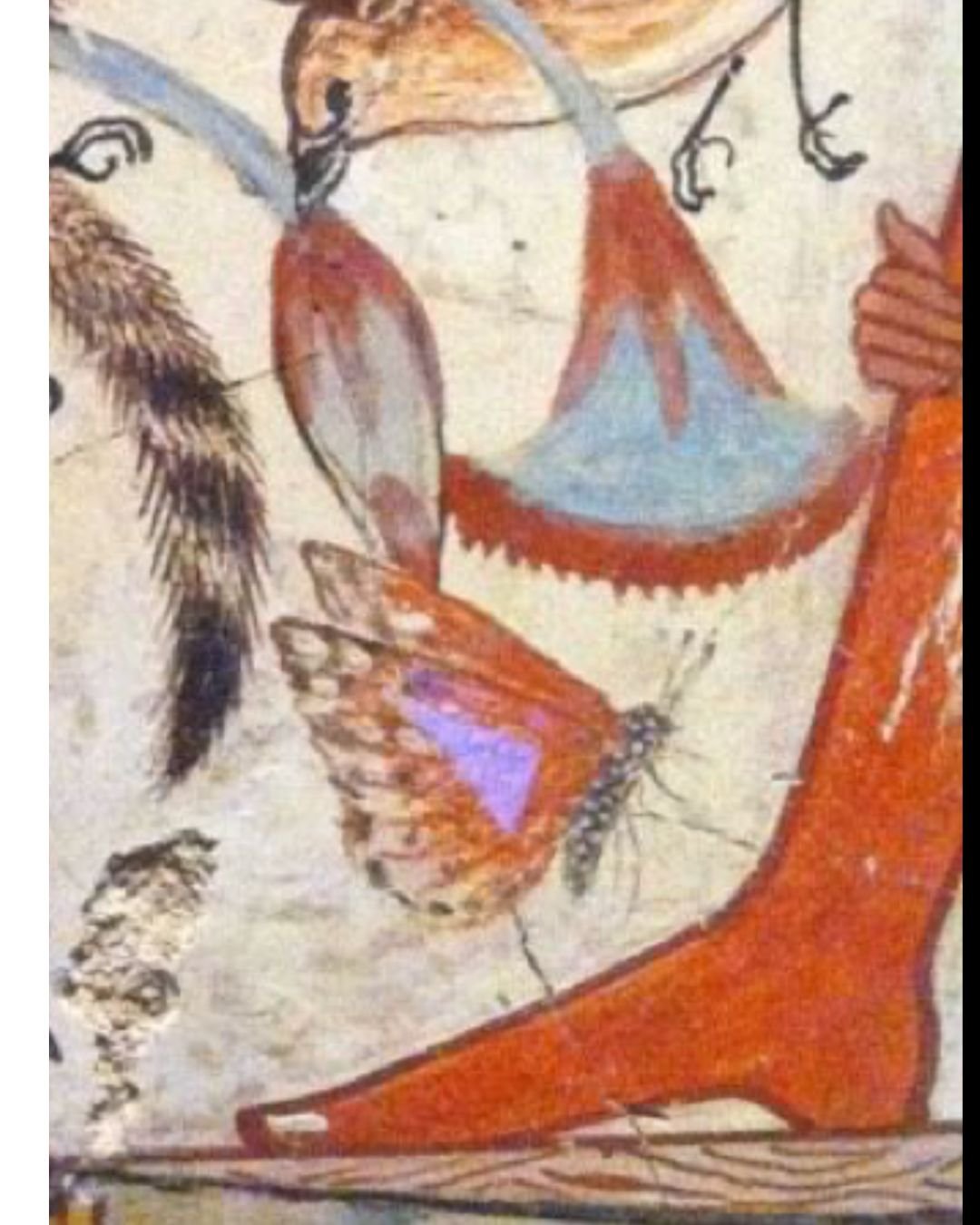
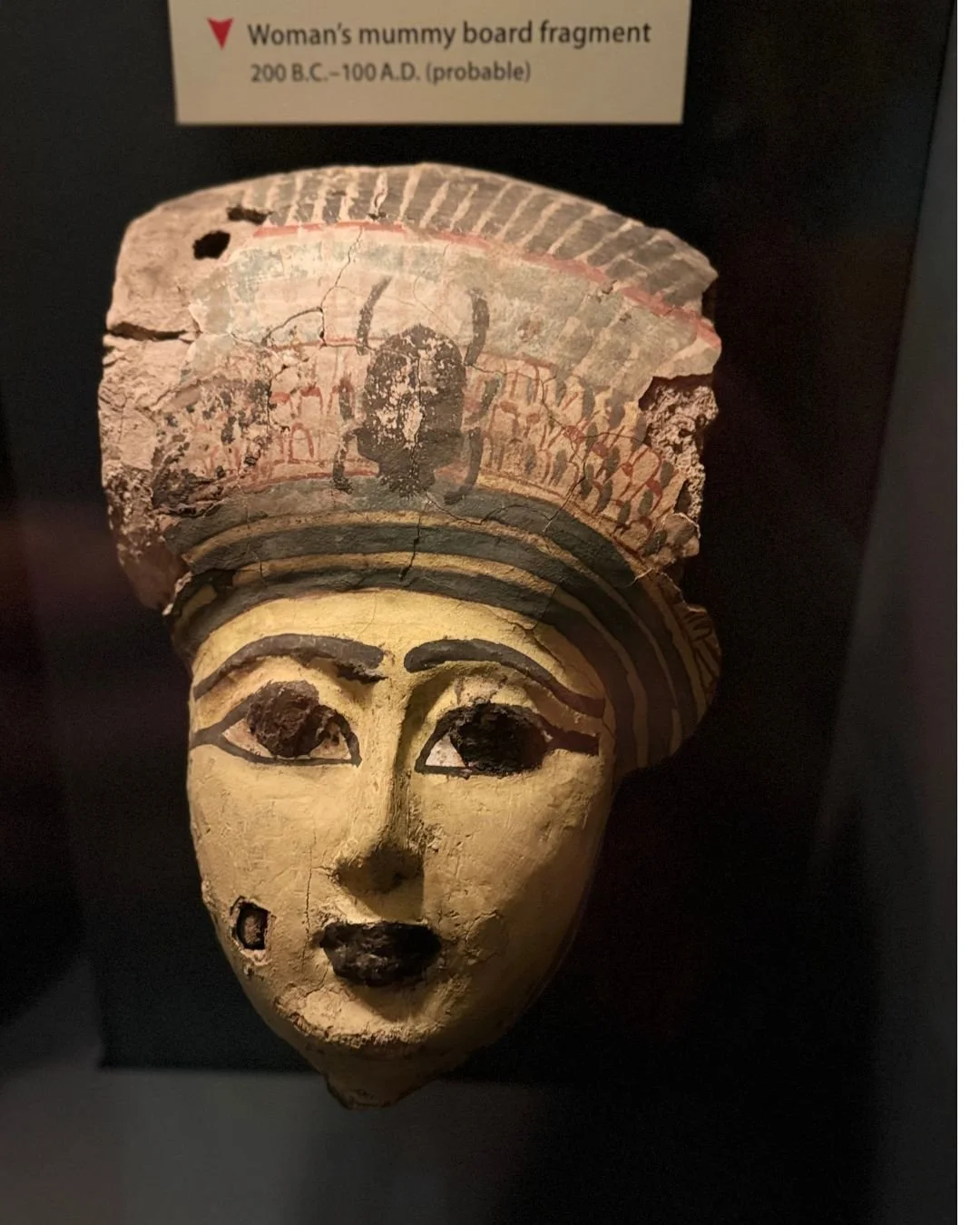
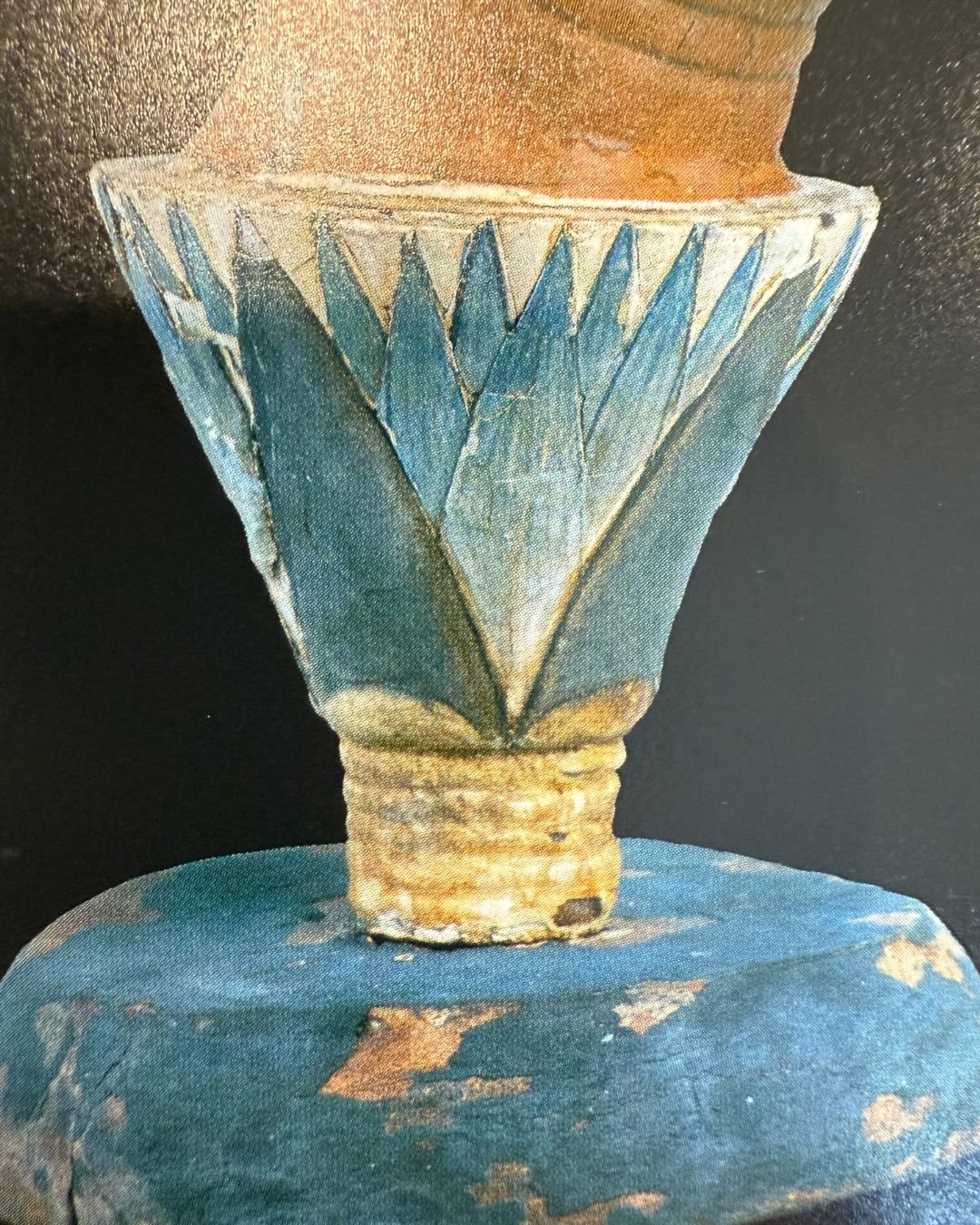
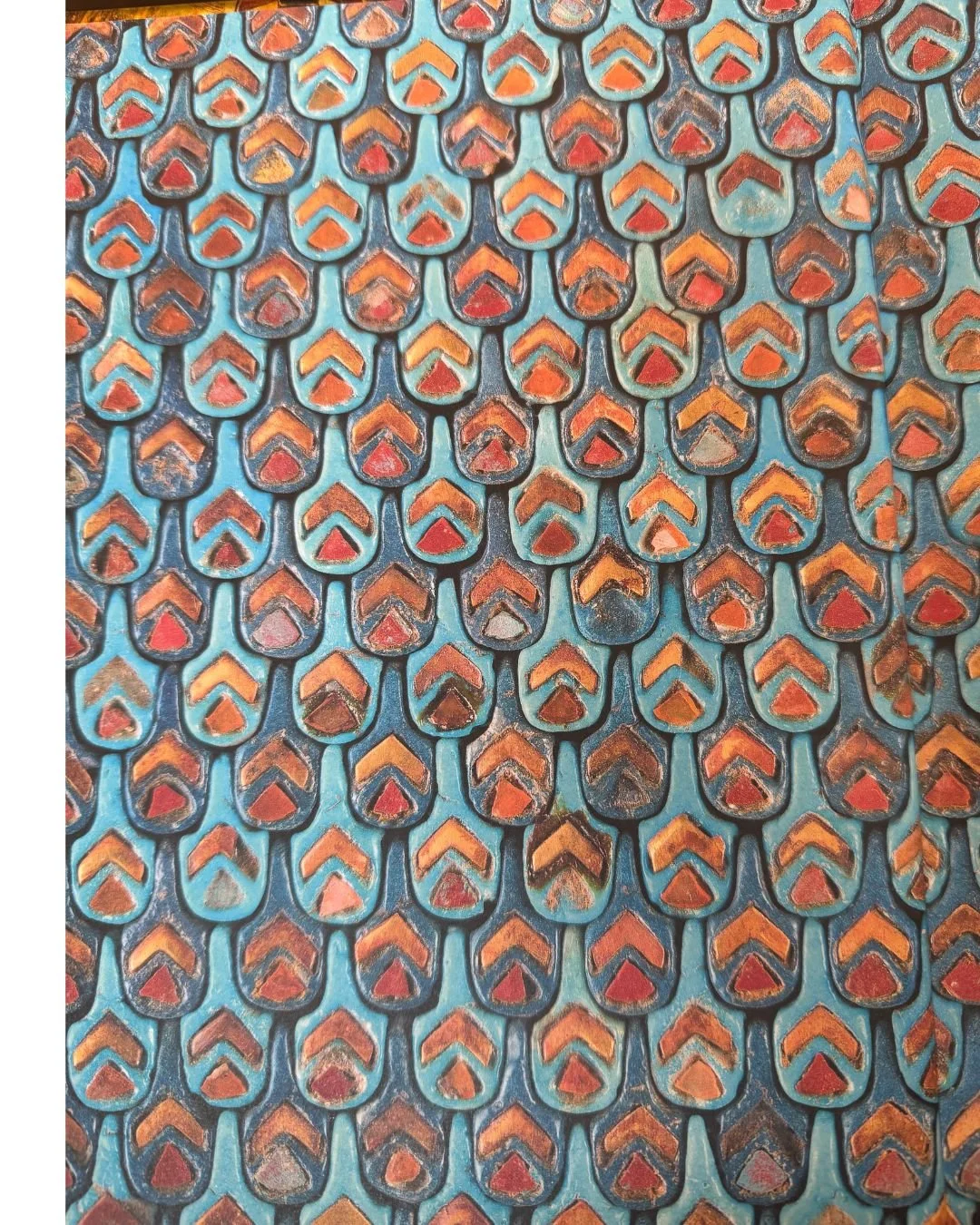
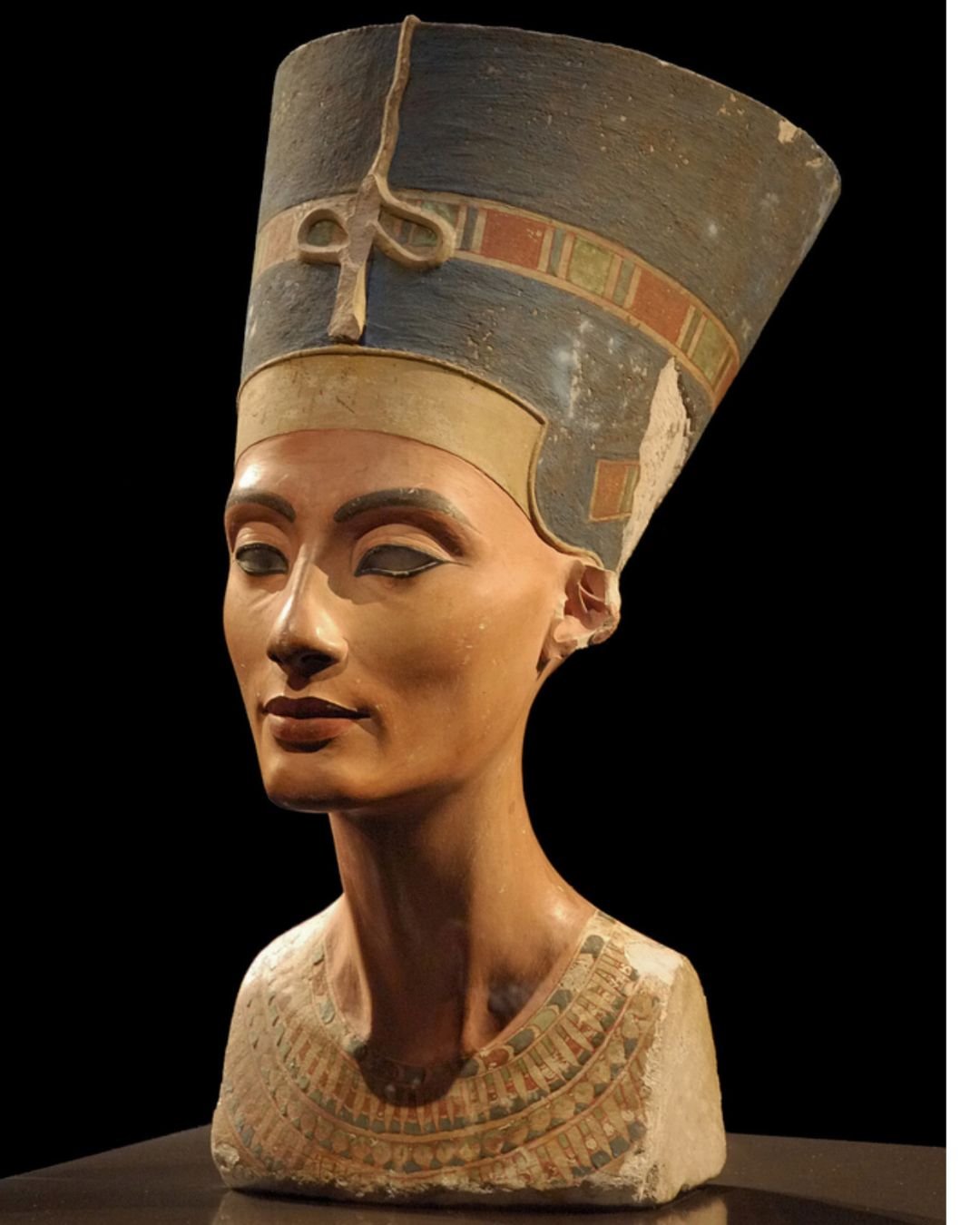
For Nile Reverie, that research ran deep. Ancient Egyptian motifs are among the oldest and most intentional design languages ever created — every lotus, every crane, every geometric border carried meaning. I spent time studying the structure of those marks before I ever picked up a brush. Understanding why a motif was drawn a certain way changes how you draw it yourself.
Sketching the Motifs
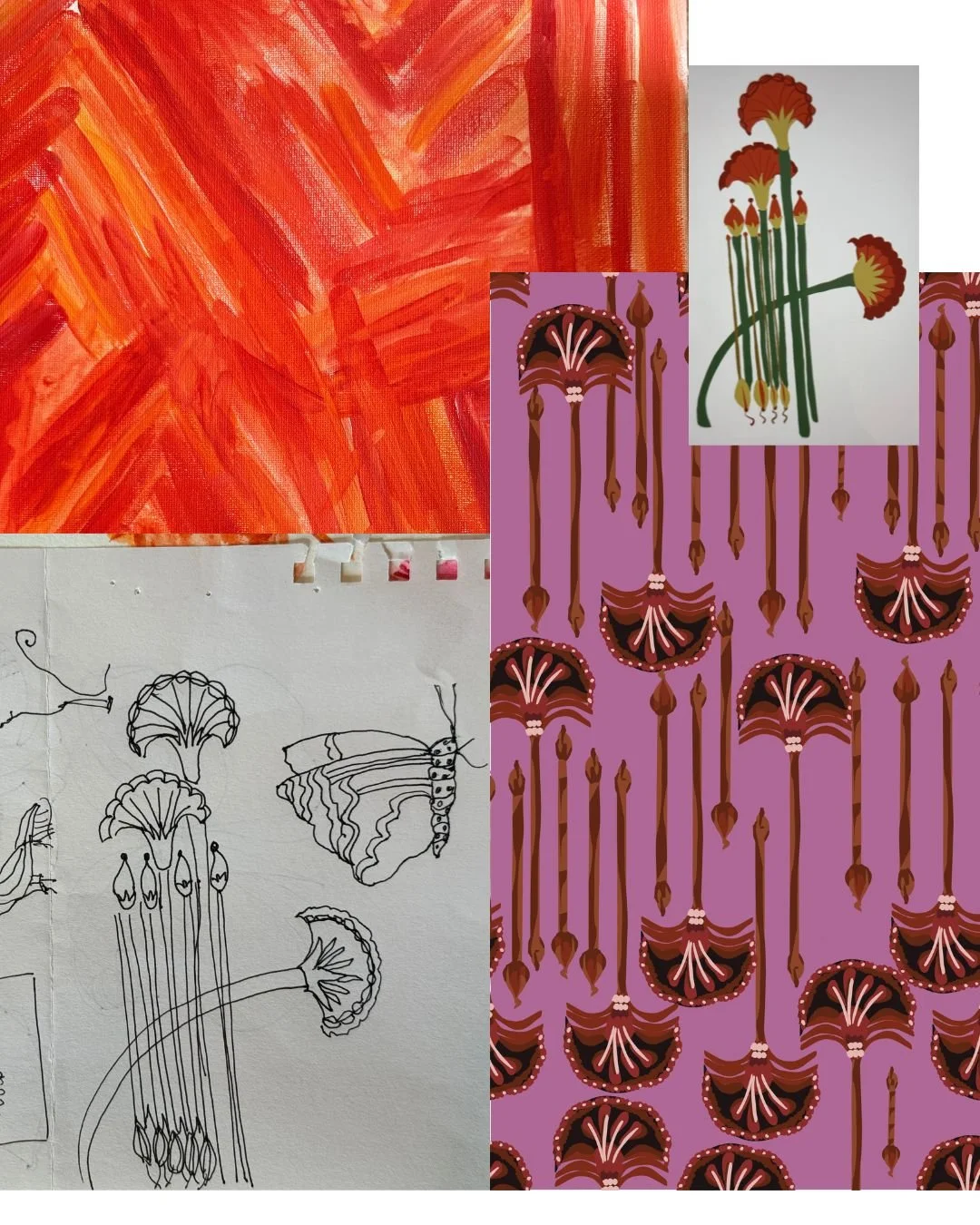
The first marks are always loose — gesture sketches to find the shape of things. A lotus reaching. A crane mid-stride. I'm not copying the archive, I'm having a conversation with it. What wants to stay, what wants to change, what feels true to the story I'm trying to tell.
This is the slowest part, and the most important.
Into Watercolor
Once the motifs have a life of their own on paper, I paint them. Watercolor is where the collection finds its personality — the layering, the bleeds, the places where the pigment does something unexpected and you follow it rather than fight it.
The lotus flowers in this collection went through several rounds of painting before they felt right. Loose enough to feel alive, structured enough to work in repeat.
Procreate — Drawing Into the Digital
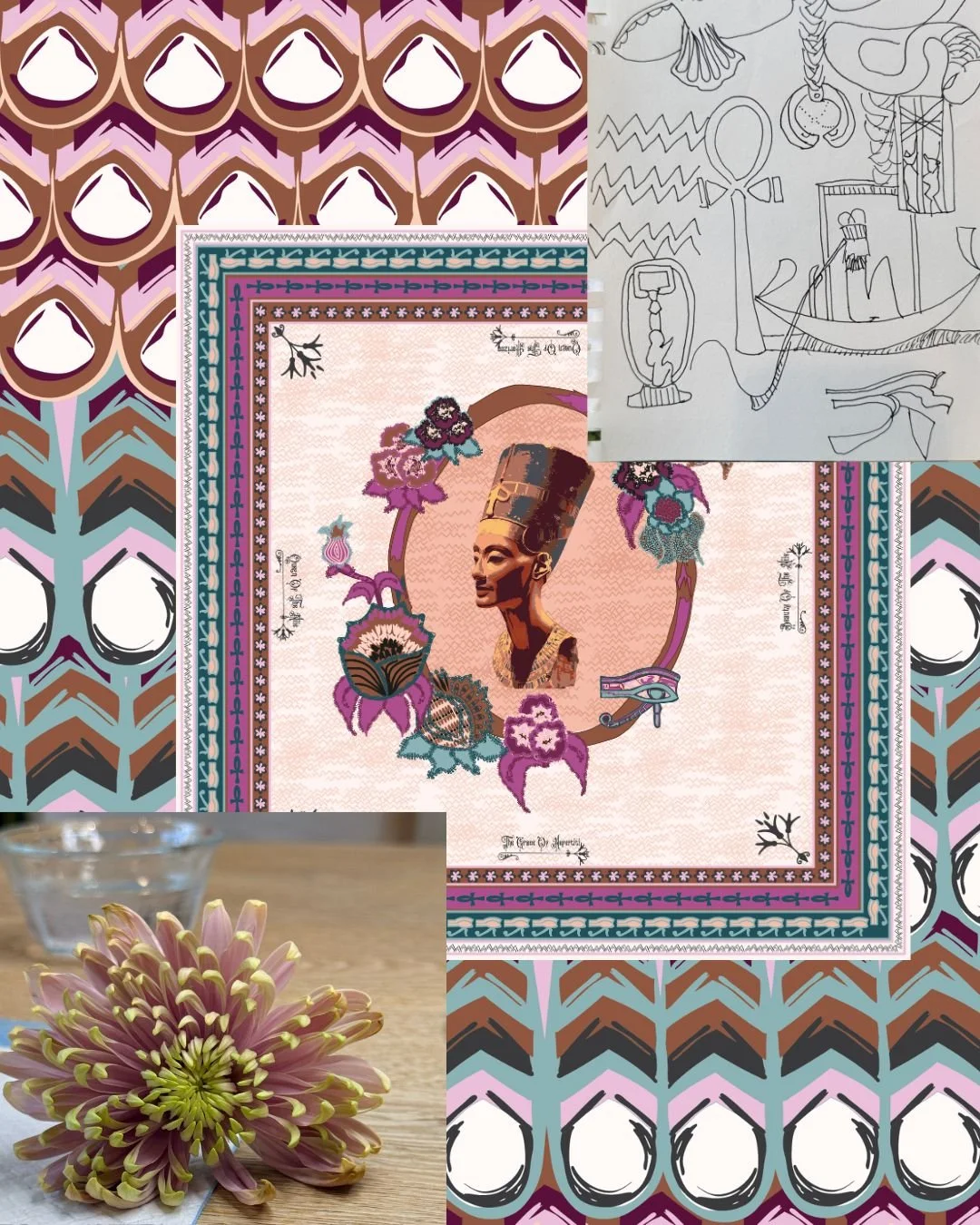
Some elements in Nile Reverie were drawn directly in Procreate — particularly the more linear, architectural details that needed a precision watercolor resists. Working digitally at this stage lets me push scale, test compositions, and layer in detail without losing the painted foundation underneath.
The two — painted and digital — sit together in this collection in a way that feels natural. You can't always tell where one ends and the other begins. That's exactly the intention.
Building Vector Textures
The final layer is where the craft becomes technical. Vector-based textures are built and layered with the original artwork — adding depth, structure, and the kind of surface richness that makes a print interesting at every scale.
This is what allows the work to move cleanly from paper to fabric to wallpaper without losing what made it beautiful in the first place. The brushwork stays. The texture stays. The story stays.